1. Green Coffee Beans
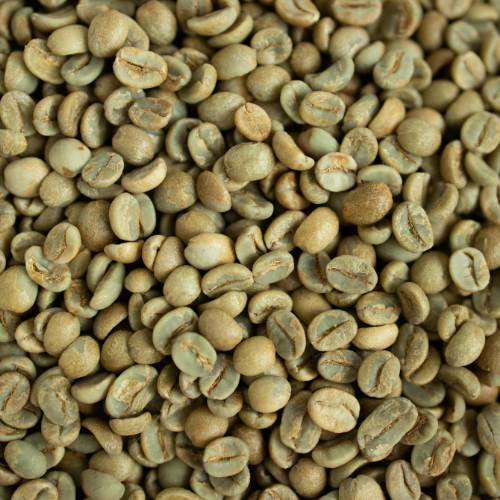
Green Coffee Beans are unroasted coffee beans used by coffee roasters and manufacturers to produce different roasted coffee varieties. They are available in Arabica, Robusta, and Liberica varieties, with quality determined by moisture content, bean size, origin, processing method, and defect count.
Specifications: Varieties include Arabica, Robusta, and Liberica. Moisture content typically ranges from 8–12.5%. Processing methods include washed, natural, and honey processing. Grades are determined by screen size, defects, and origin. Packaging is available in 30 kg or 60 kg bags, subject to supplier requirements. Applications include roasting, blending, wholesale, and export.
2. Roasted Coffee Beans
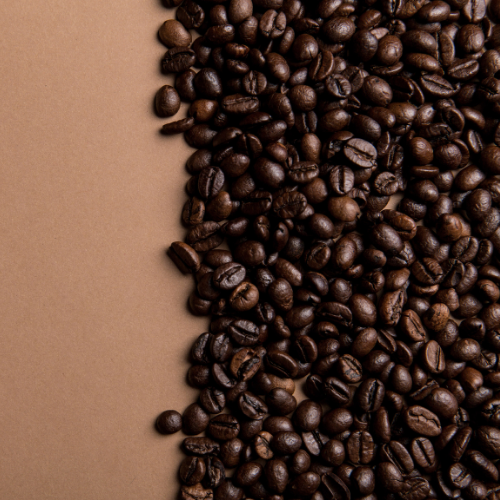
Roasted Coffee Beans are produced by roasting green coffee beans at controlled temperatures to develop their characteristic aroma, flavour, colour, and body. They are available in different roast profiles and are suitable for grinding or direct use in coffee machines.
Specifications: Available roast levels include light, medium, medium-dark, and dark. Varieties include Arabica, Robusta, and blends. Moisture content commonly ranges from 1–5%, depending on the roast. Flavour profiles include fruity, nutty, chocolatey, caramel, and smoky notes. Packaging options include 250 g, 500 g, 1 kg, and bulk packs. Applications include cafés, hotels, espresso machines, and retail.
3. Ground Coffee
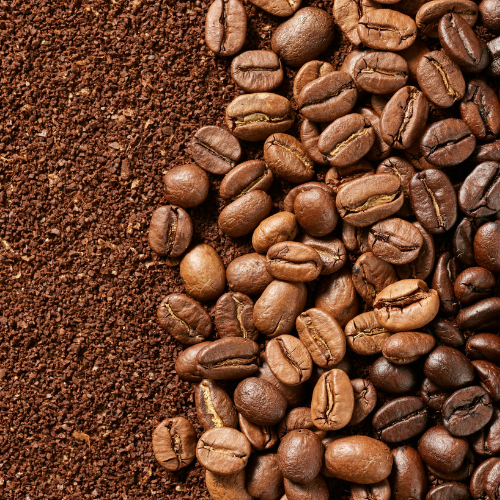
Ground Coffee is produced by grinding roasted coffee beans into different particle sizes according to brewing requirements. It is suitable for traditional filter coffee, drip brewing, French press, espresso machines, and other coffee preparation methods.
Specifications: Grind sizes include coarse, medium-coarse, medium, fine, and extra-fine. Raw materials include roasted Arabica, Robusta, or coffee blends. The colour ranges from light to dark brown. Flavour depends on the origin, roast profile, and blend. Packaging options include 100 g, 200 g, 500 g, and 1 kg. Applications include household consumption, cafés, hotels, and food service.
4. Instant Coffee Powder
Instant Coffee Powder is a soluble coffee product made by extracting roasted coffee and drying the extract into powder or granules. It offers convenient preparation and is widely used in households, offices, hotels, vending machines, and beverage manufacturing.
Specifications: Types include spray-dried powder and freeze-dried granules. The product is designed to dissolve in hot water. Ingredients generally consist of soluble coffee, depending on the formulation. The colour ranges from light to dark brown. Packaging options include 50 g, 100 g, 200 g, and bulk packs. Applications include retail, offices, hotels, vending machines, and food processing.
5. Arabica Coffee
Arabica Coffee is a popular coffee variety known for its aromatic complexity, smooth taste, and diverse flavour profiles. Depending on its origin and processing method, it may offer fruity, floral, sweet, nutty, or chocolatey notes.
Specifications: The botanical species is Coffea arabica. Its caffeine content is generally lower than Robusta. Flavour profiles include fruity, floral, sweet, nutty, and chocolatey notes. Acidity ranges from moderate to bright, depending on origin and processing. Available forms include green beans, roasted beans, and ground coffee. Applications include specialty coffee, premium blends, cafés, and retail.
6. Robusta Coffee
Robusta Coffee is valued for its stronger flavour, fuller body, and generally higher caffeine content than Arabica. It is widely used in commercial coffee blends, espresso products, and instant coffee manufacturing.
Specifications: The botanical species is Coffea canephora. Its caffeine content is generally higher than Arabica. Flavour profiles include earthy, woody, nutty, and bitter chocolate notes. Body ranges from medium to full. Available forms include green beans, roasted beans, and soluble coffee. Applications include espresso blends, instant coffee, commercial coffee production, and wholesale distribution.
7. Decaffeinated Coffee
Decaffeinated Coffee is processed to remove most of its caffeine while retaining much of its characteristic aroma and flavour. It is available in whole-bean, ground, and instant forms for consumers seeking reduced-caffeine coffee options.
Specifications: Types include decaffeinated Arabica, Robusta, and blends. Processing methods include water-based processes, carbon dioxide, and approved solvent methods. Residual caffeine must meet the applicable market standard. Available forms include whole beans, ground coffee, and instant coffee. Packaging options include retail pouches, jars, and bulk packs. Applications include retail, cafés, hotels, and food service.
8. Flavoured Coffee
Flavoured Coffee is made by adding suitable flavourings to roasted coffee to create distinctive taste profiles. Popular options include vanilla, hazelnut, caramel, chocolate, and cinnamon, catering to specialty beverage markets and retail consumers.
Specifications: Available flavours include vanilla, hazelnut, caramel, chocolate, and cinnamon. The base coffee may consist of Arabica, Robusta, or blends. Available forms include whole beans and ground coffee. Quality parameters include flavour intensity, aroma, moisture, and ingredient composition. Packaging options include 100 g, 250 g, 500 g, and 1 kg. Applications include retail, cafés, gift packs, and hospitality.
9. Specialty and Single-Origin Coffee
Specialty and Single-Origin Coffee consists of carefully selected coffee sourced from a specific farm, estate, region, or production lot. These products are valued for traceability, distinctive cup characteristics, controlled processing, and consistent quality.
Specifications: Types include single-origin coffee, estate coffee, micro-lots, and specialty blends. Arabica is commonly used, although other varieties are also available. Quality parameters include origin, cultivar, processing method, harvest, and roast profile. Quality assessment considers defects, uniformity, and cup profile. Packaging options include 200 g, 250 g, 1 kg, and bulk packs. Applications include premium cafés, specialty roasters, gourmet retail, and export.
10. Cold Brew Coffee and Coffee Concentrate
Cold Brew Coffee is prepared by steeping ground coffee in cold or room-temperature water before filtration. Coffee concentrate is a stronger coffee extract designed for dilution or further use in ready-to-drink beverages and commercial beverage production.
Specifications: The raw material is generally coarse-ground roasted coffee. Processing involves cold extraction and filtration. Product forms include ready-to-drink coffee and coffee concentrate. Quality parameters include coffee solids, pH, flavour, microbiological safety, and shelf life. Packaging options include bottles, cans, and aseptic packs. Applications include cafés, beverage manufacturers, retail, and food service.
11. Espresso Coffee
Espresso Coffee is a concentrated coffee beverage prepared by forcing hot water through finely ground coffee under pressure. Espresso blends are formulated to achieve balanced flavour, rich body, and characteristic crema.
Specifications: The coffee base may consist of Arabica, Robusta, or blends. The grind size is fine, and preparation involves pressure-based extraction. Flavour profiles include rich, intense, chocolatey, nutty, and fruity notes. Available forms include whole beans and ground coffee. Applications include espresso machines, cafés, restaurants, and hotels.
12. Filter Coffee
Filter Coffee is prepared by passing hot water through ground coffee using a filter. It is available in different roast profiles and blends, including traditional South Indian filter coffee blends containing coffee and, where specified, chicory.
Specifications: The coffee base may consist of Arabica, Robusta, or blends. Grind size is generally medium-fine to fine, depending on the filter type. The flavour profile is typically smooth, aromatic, and rich. Product types include pure coffee and coffee-chicory blends. Packaging options include 100 g, 200 g, 500 g, and 1 kg. Applications include households, restaurants, cafés, and hotels.
13. Organic Coffee
Organic Coffee is produced according to applicable organic farming and processing standards, with certification required for products marketed as organic. It is available in green, roasted, ground, and instant forms, depending on the supplier.
Specifications: Varieties include Arabica, Robusta, and blends. Production follows certified organic farming standards. Processing methods include washed and natural processing, where permitted. Quality parameters include moisture, defects, residues, and traceability. Packaging options include retail packs and bulk bags. Applications include organic retail, specialty coffee, wholesale, and export.
14. Coffee Blends
Coffee Blends combine beans from different varieties, origins, or roast profiles to achieve a consistent flavour, aroma, body, and price point. They are widely used in commercial coffee production and specialty beverage preparation.
Specifications: Composition may include Arabica, Robusta, or mixed varieties. Blend ratios can be customised according to buyer requirements. Roast levels include light, medium, medium-dark, and dark. Flavour profiles include balanced, rich, nutty, chocolatey, and bold notes. Available forms include whole beans and ground coffee. Applications include espresso, filter coffee, retail, cafés, and hotels.
15. Ready-to-Drink Coffee
Ready-to-Drink Coffee is a prepared coffee beverage supplied in a convenient packaged format for immediate consumption. It may be formulated with black coffee, milk, sugar, flavourings, or other permitted ingredients.
Specifications: Types include black coffee, milk coffee, iced coffee, and flavoured coffee. Ingredients depend on the product formulation. Processing uses suitable validated preservation methods. Quality parameters include taste, pH, microbiological safety, and shelf life. Packaging options include bottles, cans, and cartons. Applications include retail, convenience stores, cafés, and beverage distribution.